Ultherapy PRIME: What's New and What It Means for You

Dr. Yang Jung-hwa, MD • November 9, 2026

Share this article

Short answer: Ultherapy PRIME is the latest generation of Ultherapy micro-focused ultrasound. It keeps the core strength of Ultherapy, real-time imaging and precise depth targeting, while improving visualisation and treatment flow. Results still build over 2–3 months and last about a year.

1. How Ultherapy works

Ultherapy sends focused ultrasound to set depths: 4.5 mm reaches the SMAS (the layer a surgeon tightens), 3.0 mm the deep dermis and 1.5 mm the superficial dermis. Each pulse creates tiny heat points that trigger new collagen while the surface stays intact.

2. Why imaging matters

Ultherapy's defining feature is that the doctor sees the tissue layers on screen before firing. That means energy goes where it lifts, and areas with thin fat can be protected from hollowing.

3. What PRIME improves

PRIME updates the platform's imaging and workflow, helping the practitioner visualise and deliver treatment more efficiently. For patients, the practical benefits are a smoother session and consistent placement.

4. Lines and depth: the real decision

Line count alone says little. What matters is distribution: how many deep lines along the jaw, how many superficial lines under the eyes, which zones to avoid. At The Heal this is our Design Lift approach. Read more: how many lines do I need?

5. Who benefits most

  • Early to moderate sagging of brow, jowls or neck
  • Patients wanting no downtime
  • Travellers with 1–2 days in Seoul

6. Check it is genuine

Many clinics offer generic HIFU under similar names. Ask to see the Ultherapy transducer before treatment.

Conclusion

Ultherapy PRIME remains the benchmark for non-surgical deep lifting. A dermatologist's planning makes the difference between a generic treatment and a natural lift. Ultherapy PRIME at The Heal.

Recent Posts

By The Heal Dermatology Jamsil • November 9, 2026
From check-in to aftercare: a step-by-step guide to your first appointment at The Heal Dermatology Jamsil.

By The Heal Dermatology Jamsil • November 9, 2026
Gangnam is famous for clinics, but Jamsil offers easier logistics for many travellers. How to choose where to be treated in Seoul.

By Dr. Yang Jung-hwa, MD • November 9, 2026
Why flights, climate changes and new products trigger facial redness, and how to calm rosacea before and during a Seoul trip.
By Dr. Yang Jung-hwa, MD • November 9, 2026
Why aggressive lasers can worsen melasma in Asian skin, and the gentle, combined approach Seoul dermatologists use instead.

By Dr. Yang Jung-hwa, MD • November 9, 2026
How to identify your acne scar type and which treatments work for each, from a Seoul board-certified dermatologist.
By Dr. Yang Jung-hwa, MD • November 9, 2026
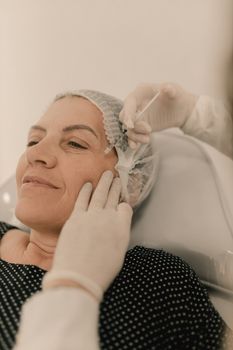
Why Ultherapy, Thermage, Sofwave and ONDA are often combined, and how a dermatologist decides the right pairing.
By Dr. Yang Jung-hwa, MD • November 9, 2026
What 300 lines or 600 shots really means, why more is not always better, and how a dermatologist distributes energy.

By The Heal Dermatology Jamsil • November 9, 2026
Shots, lines, units and cc: how to compare Korean clinic prices like for like and avoid surprises.

By Dr. Yang Jung-hwa, MD • November 9, 2026
Seoul winters are cold and dry. How to protect your skin barrier, and which treatments to choose or avoid during a winter trip.
By Dr. Yang Jung-hwa, MD • November 9, 2026
How dermatologists in Seoul combine boosters, toning and barrier care to achieve the clear, luminous 'glass skin' look.

Show More