Korean Skin Boosters Explained: Rejuran, Juvelook and Lituo

Dr. Yang Jung-hwa, MD • November 9, 2026

Share this article

Short answer: skin boosters are injectables placed in the dermis to improve skin quality rather than shape. Rejuran repairs and calms, Juvelook rebuilds collagen and texture, and Lituo supports the skin's matrix. Most people need 2–3 sessions, and they are often combined.

1. What a skin booster is, and what it is not

Fillers add volume to change contour. Boosters work at a finer level: they are injected as many tiny deposits across the face to improve hydration, elasticity, fine lines, pores and glow. The result is better skin, not a different face.

Korea has been the testing ground for many boosters because patients here prioritise skin quality, and Korean manufacturers develop products locally.

2. Rejuran: repair

Rejuran Healer uses polynucleotides (PN) purified from salmon DNA. PN supports tissue repair and reduces inflammation, so it suits sensitive, thin or damaged skin and recovery after lasers. Expect visible bumps for 1–3 days and a course of 3 sessions, 2–4 weeks apart. Rejuran details.

3. Juvelook: collagen and texture

Juvelook combines PDLLA microspheres with hyaluronic acid. PDLLA stimulates collagen gradually, improving shallow acne scars, texture and fine lines. Juvelook Volume is placed deeper for soft volume. Juvelook details.

4. Lituo: matrix support

Lituo is a newer booster aimed at reinforcing the extracellular matrix that holds collagen and elastin. Dr. Yang often uses it for thin, tired skin that has plateaued with other boosters. Lituo details.

5. Which one should you choose?

  • Sensitive or damaged skin: Rejuran first
  • Texture, pores, shallow scars: Juvelook
  • Thin, tired skin: Lituo, often after Rejuran

6. Planning boosters around travel

Book boosters early in your trip so bumps settle before photos or flights. If you cannot stay for a full course, do one session per trip, or two sessions two weeks apart on a longer stay. Our Radiance Injection program sequences boosters for you.

Conclusion

Boosters are the Korean route to healthier, brighter skin. The right one depends on what your skin needs most: repair, collagen or support. Send photos for a personal recommendation.

Recent Posts

By The Heal Dermatology Jamsil • November 9, 2026
From check-in to aftercare: a step-by-step guide to your first appointment at The Heal Dermatology Jamsil.
By The Heal Dermatology Jamsil • November 9, 2026
Gangnam is famous for clinics, but Jamsil offers easier logistics for many travellers. How to choose where to be treated in Seoul.
By Dr. Yang Jung-hwa, MD • November 9, 2026
Why flights, climate changes and new products trigger facial redness, and how to calm rosacea before and during a Seoul trip.
By Dr. Yang Jung-hwa, MD • November 9, 2026
Why aggressive lasers can worsen melasma in Asian skin, and the gentle, combined approach Seoul dermatologists use instead.
By Dr. Yang Jung-hwa, MD • November 9, 2026
How to identify your acne scar type and which treatments work for each, from a Seoul board-certified dermatologist.
By Dr. Yang Jung-hwa, MD • November 9, 2026
Why Ultherapy, Thermage, Sofwave and ONDA are often combined, and how a dermatologist decides the right pairing.
By Dr. Yang Jung-hwa, MD • November 9, 2026
What 300 lines or 600 shots really means, why more is not always better, and how a dermatologist distributes energy.
By The Heal Dermatology Jamsil • November 9, 2026
Shots, lines, units and cc: how to compare Korean clinic prices like for like and avoid surprises.
By Dr. Yang Jung-hwa, MD • November 9, 2026
Seoul winters are cold and dry. How to protect your skin barrier, and which treatments to choose or avoid during a winter trip.
By Dr. Yang Jung-hwa, MD • November 9, 2026
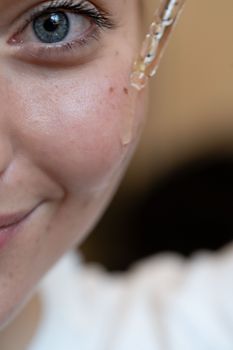
How dermatologists in Seoul combine boosters, toning and barrier care to achieve the clear, luminous 'glass skin' look.

Show More